No products in the cart.
No products in the cart.

No products in the cart.
No products in the cart.
No products in the cart.
No products in the cart.
No products in the cart.
No products in the cart.
No products in the cart.
No products in the cart.
Whether you’re recovering from surgery, assisting an ageing family member, or looking for reliable mobility support, choosing the right aid can make everyday movement safer and more comfortable.
Different mobility challenges call for different solutions. Some people need temporary support while recovering from surgery, while others benefit from long-term mobility assistance. Our range is designed to suit varying levels of independence, comfort, and caregiving requirements.
Our healthcare products are developed with a focus on reliability, usability, and everyday convenience for Indian households.
Products developed for practical daily healthcare monitoring.
Dedicated assistance for product-related guidance.
Simple operation suitable for first-time users and seniors.
Accessible healthcare solutions across India.
Added confidence through product warranty support.
Growing commitment to affordable healthcare technology.
Mobility aids are assistive devices that help people move more safely, comfortably, and confidently when walking or standing becomes difficult. They are commonly used by older adults, individuals recovering from surgery or injury, people living with temporary or permanent mobility limitations, and anyone who needs extra support during daily activities.
Rather than replacing movement, mobility aids are designed to make movement easier. A walker can improve balance and stability for someone who is still able to walk, while a wheelchair helps individuals who cannot comfortably walk long distances or need full mobility support. Choosing the right mobility aid depends on a person’s physical condition, level of independence, daily routine, and healthcare needs.
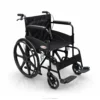
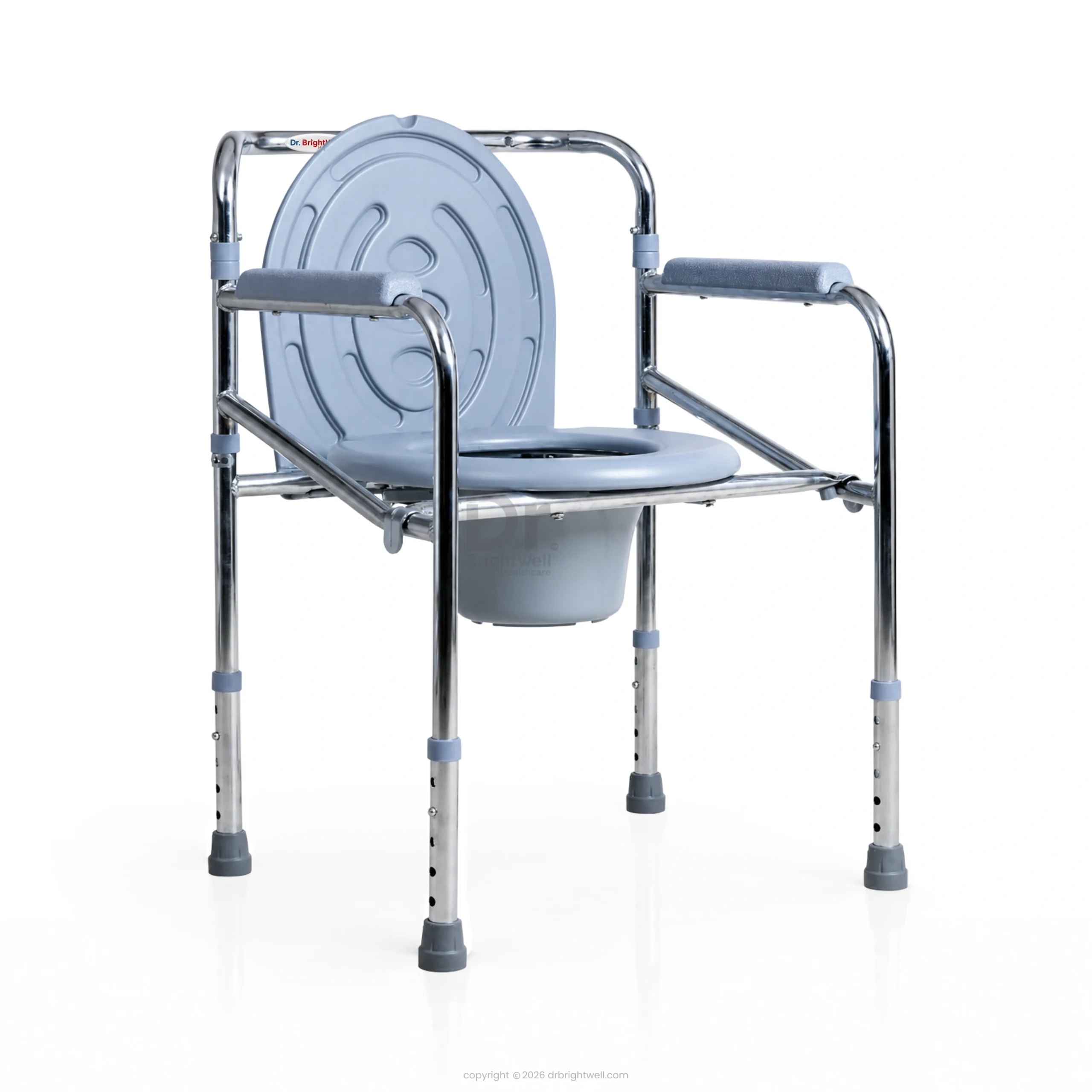
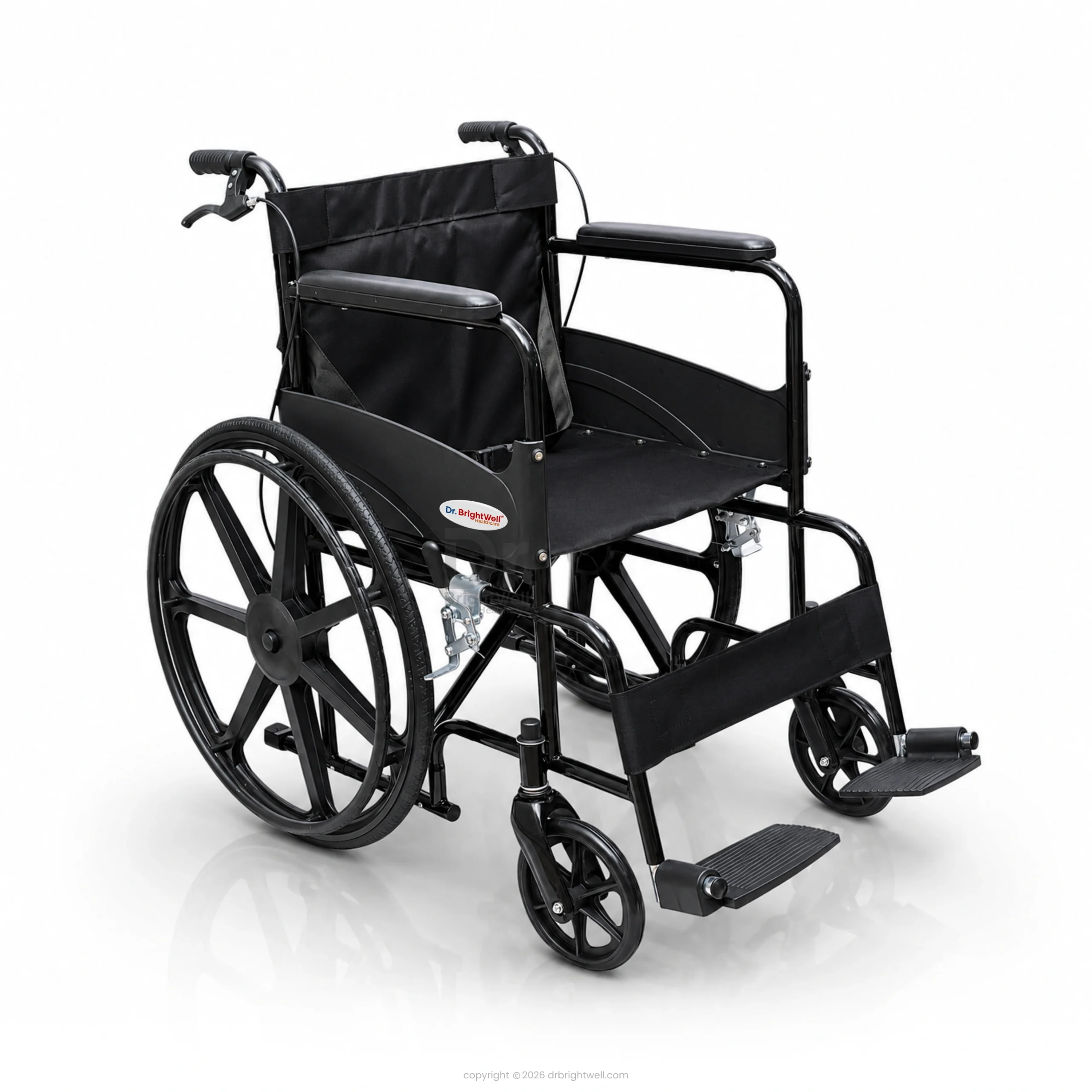
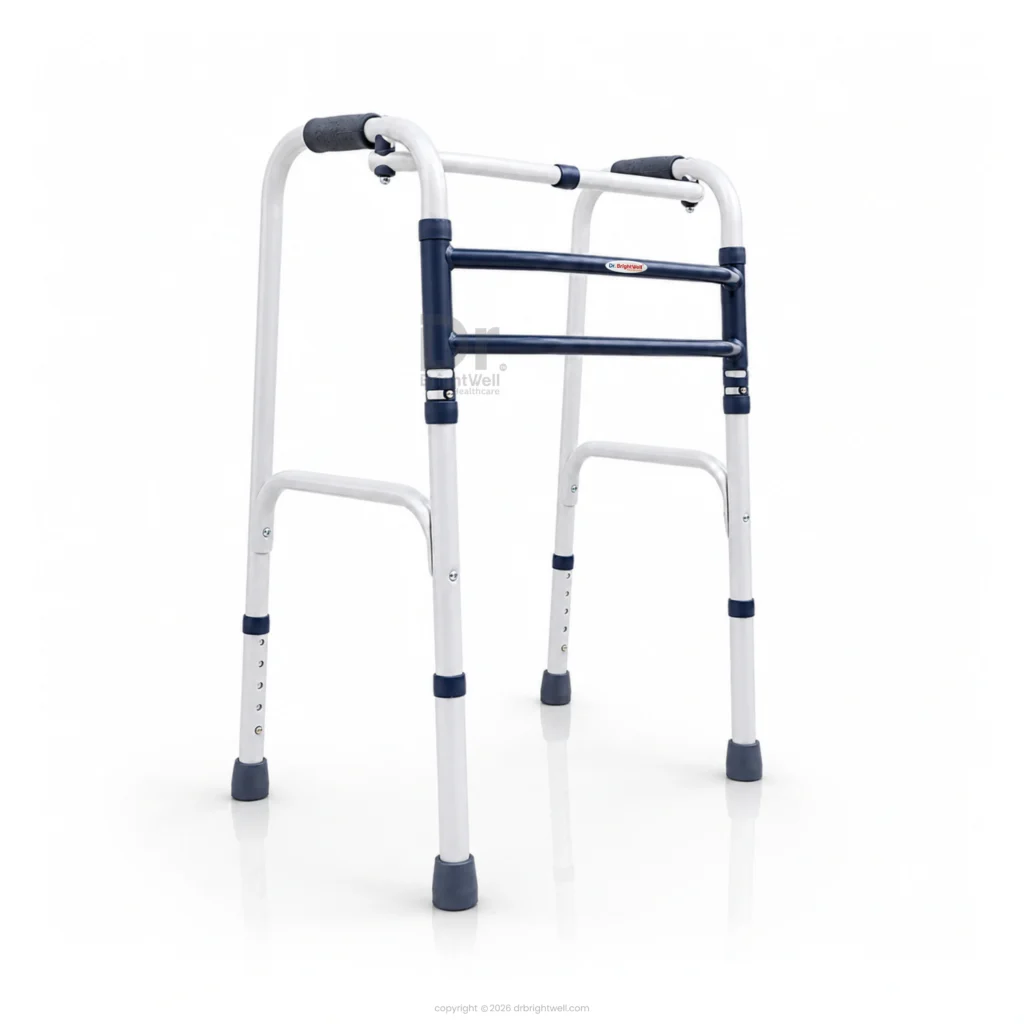
Modern mobility aids are available in a variety of designs to suit different lifestyles. Lightweight wheelchairs make transportation easier, commode wheelchairs simplify personal care, U-cut wheelchairs assist with hygiene needs, and seat lift models help reduce the effort involved in sitting down and standing up. Walkers with adjustable heights and sturdy frames support safer walking during rehabilitation and everyday use.
At home, mobility aids help people continue participating in everyday activities such as moving between rooms, spending time with family, attending appointments, or enjoying outdoor spaces. They also reduce physical strain on caregivers by making transfers and movement more manageable.
The weight limit of a wheelchair depends on its frame design, materials, and intended use. Standard manual wheelchairs commonly support users weighing around 100–120 kg, while heavy-duty models are built for higher capacities. Always check the manufacturer’s recommended weight limit before purchasing.
There isn’t a single wheelchair that’s suitable for everyone with Ehlers-Danlos syndrome (EDS). The ideal choice depends on the person’s mobility, joint stability, fatigue levels, and advice from their healthcare professional.
Both materials have advantages.
A steel walker is generally heavier and well suited for users who prefer a sturdy feel. It is often chosen for everyday home use.
An aluminium walker is lighter, making it easier to lift, carry, and transport. It is a practical choice for people who travel frequently or need to store the walker when not in use.
The decision depends on how much mobility support is needed.
A walker is suitable for someone who can still walk independently but needs help maintaining balance or reducing pressure on their joints.
If mobility needs are changing, discussing the options with a healthcare professional can help identify the most suitable solution.
No. Although many older adults use mobility aids, they are equally helpful for younger individuals recovering from injuries, surgery, or medical conditions that temporarily affect movement.
Athletes recovering from fractures, patients after joint replacement surgery, and people with temporary disabilities may all benefit from mobility support during recovery.
Many manual wheelchairs are designed for everyday use across different environments. Indoors, they help users move between rooms and navigate daily routines. Outdoors, they can be used on pavements, hospital corridors, shopping centres, and similar smooth surfaces.
Before choosing a wheelchair, consider factors such as wheel size, frame strength, turning radius, and the types of surfaces it will regularly encounter.
No single mobility aid is suitable for everyone. The right choice depends on the user’s physical condition, lifestyle, home environment, and level of assistance required. Considering these practical factors can help you make an informed decision.
Choose a walker if the user can still walk with support. Consider a wheelchair when walking long distances or standing for extended periods is difficult.
Think about where the mobility aid will be used most often. Indoor use may require compact designs, while outdoor use benefits from durable frames and larger wheels.
Always select a mobility aid that comfortably supports the user’s body weight while maintaining stability and durability.
Seat width, cushioning, armrests, footrests, and handle positioning all contribute to a more comfortable experience, particularly during prolonged use.
Foldable wheelchairs and lightweight walkers are easier to store, transport, and carry during travel or medical appointments.
Look for durable construction, smooth-rolling wheels, secure locking mechanisms, corrosion-resistant materials, and dependable craftsmanship. Choosing well-designed mobility aids from trusted healthcare brands such as Dr.Brightwell helps support reliable everyday performance and long-term usability.
Routine monitoring provides greater awareness of personal health trends and supports informed healthcare discussions.
Supports respiratory care routines from the comfort of home.
Supports respiratory care routines from the comfort of home.
Suitable for use across different age groups when appropriate.
Designed for simple operation with minimal learning curve.
Available in designs suited for home, travel, and family use.
Easy access at home may help users follow recommended respiratory care routines.




Each unit goes through strict quality checks to ensure safety, accuracy, and durability. You’re not just buying a machine/ Nebulizer for home use—you’re bringing home peace of mind.
See All Our Certifications.
At Dr.Brightwell, we believe mobility is about more than moving from one place to another—it’s about helping people stay connected to their everyday lives with confidence and dignity. Through educational guidance and thoughtfully selected mobility solutions, we aim to support families, caregivers, healthcare professionals, and businesses in making informed choices for safer and more comfortable movement.
Helpful educational resources strengthen decision-making while helping users get more value from their mobility aids.
Explore published clinical blog on choosing a wheelchair
Explore expert recommendations for keeping commode clean and hygienic.