No products in the cart.
No products in the cart.

The monsoon brings welcome relief from the summer heat, but it also increases the risk of viral infections, dengue, malaria, food poisoning, respiratory illnesses, and fungal infections. High humidity, stagnant water, contaminated food, and fluctuating temperatures create ideal conditions for germs and mosquitoes to thrive. (Apollo 24|7)
The good news? Most rainy season diseases are preventable with a few simple habits.
In this guide, we’ll cover 15 practical monsoon health tips to help your family stay healthy throughout the rainy season, along with useful home healthcare essentials for monitoring your health.
During the monsoon:
Contaminated water is one of the biggest reasons behind monsoon stomach infections.
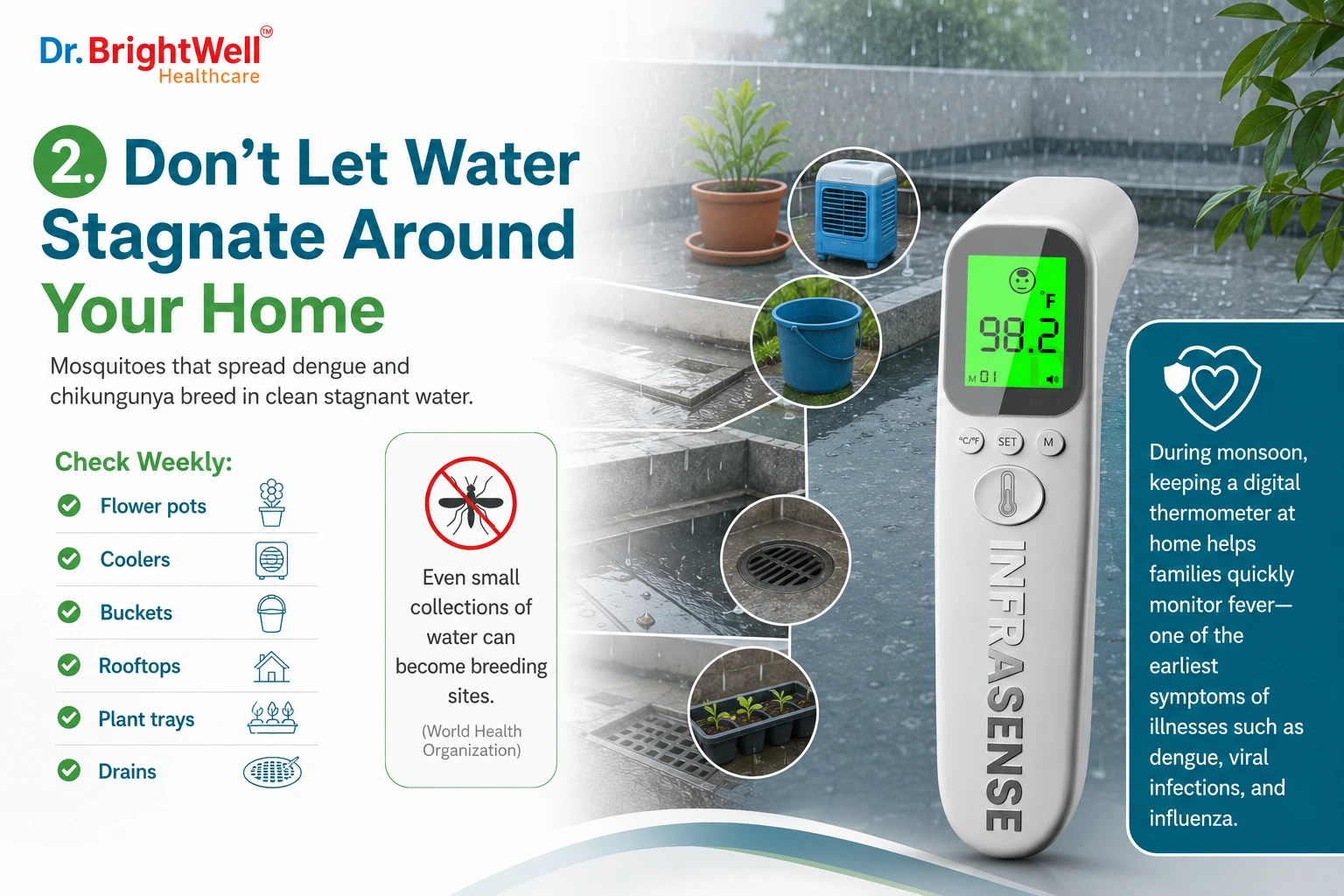 Mosquitoes that spread dengue and chikungunya breed in clean stagnant water.
Check weekly:
Even small collections of water can become breeding sites. (World Health Organization)
During monsoon, keeping a digital thermometer at home helps families quickly monitor fever—one of the earliest symptoms of illnesses such as dengue, viral infections, and influenza.
Hand hygiene helps reduce the spread of:
Wash hands:
Humidity accelerates bacterial growth.
During monsoon, avoid:
Freshly cooked hot meals are generally safer. (Apollo 24|7)
Include:
A balanced diet supports overall immune function.
Wet clothes increase the risk of:
Change out of wet shoes and socks as soon as possible. (The Times of India)
Moisture encourages mould growth.

Use:
WHO recommends preventing mosquito bites as the most effective way to reduce dengue risk. (World Health Organization)
Never ignore:
Early monitoring helps identify when medical attention may be needed.
A digital thermometer allows accurate temperature monitoring at home, making it easier to track fever progression before consulting your healthcare provider.
Humidity and mould can trigger:
Keep prescribed medicines accessible and avoid damp indoor environments. (Apollo 24|7)
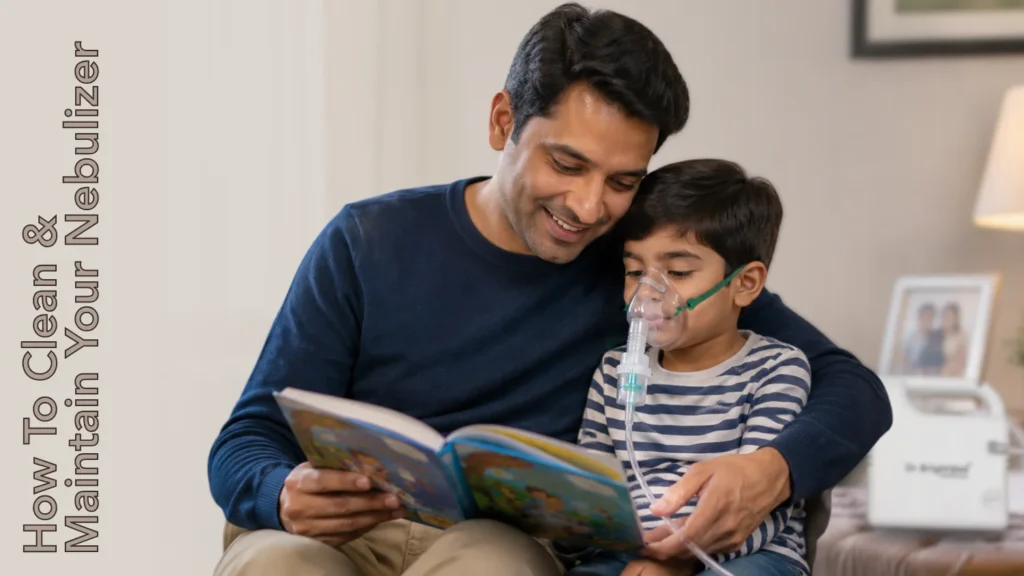
Families managing asthma or respiratory conditions often keep a home nebulizer, as recommended by their doctor, to support prescribed breathing treatments during flare-ups.

Recent expert guidance also recommends protecting pantry staples such as oils, ghee, and honey from excess moisture during the monsoon to preserve quality. (The Times of India)
Indoor activities like:
help maintain overall health even during heavy rains.
If someone in the family has respiratory conditions or is recovering from an illness affecting breathing, follow your doctor’s advice regarding home monitoring.
A pulse oximeter can help monitor oxygen saturation at home when recommended by a healthcare professional, especially for individuals with chronic respiratory conditions.
Weather changes, illness, and reduced physical activity may influence blood pressure in some individuals.
Maintain:
Seek medical care if you experience:
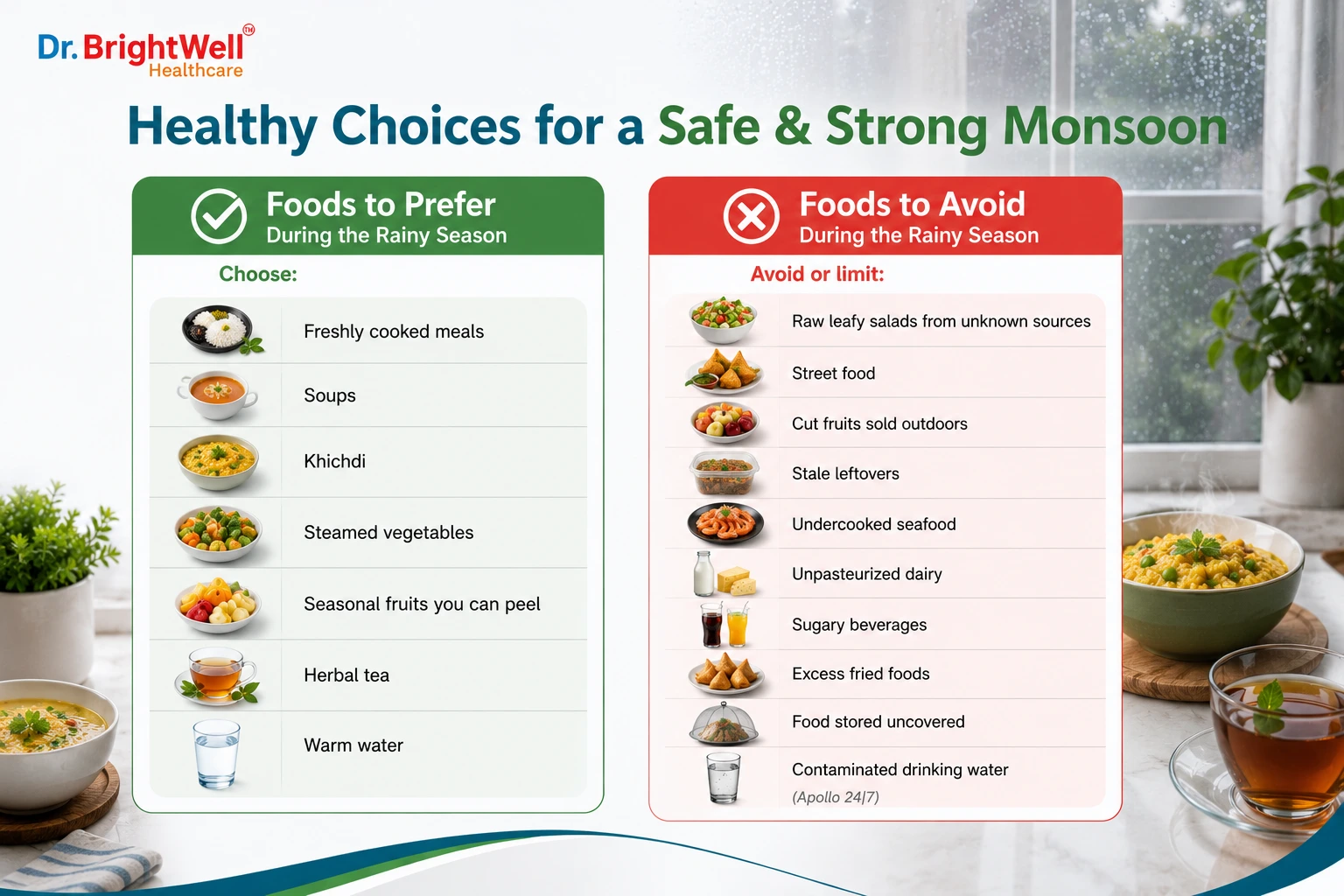
Choose:
Avoid or limit:
Rain itself does not cause fever, but viral, bacterial, or mosquito-borne infections common during the monsoon can. Rest, stay hydrated, monitor your temperature, and seek medical advice if fever is high, persistent, or accompanied by severe symptoms. Avoid self-medicating with antibiotics unless prescribed. (Apollo 24|7)
Yes. Respiratory viral infections, including influenza-like illnesses, become more common during the rainy season because humidity, crowding, and changing weather can increase transmission. (Apollo 24|7)
The best monsoon health tips include:
Common foods to avoid include:
Nutritious options include:
These foods can be part of a balanced diet during the monsoon.
Follow these simple rainy season precautions:

The rainy season doesn’t have to mean frequent illness. By following these practical monsoon health tips, maintaining good hygiene, eating safely, and protecting your family from mosquitoes and contaminated water, you can significantly reduce the risk of common rainy season diseases.
Keeping a few essential home healthcare devices—such as a digital thermometer, pulse oximeter, home blood pressure monitor, and a doctor-recommended nebulizer for those with respiratory conditions—can also help families monitor their health more confidently during the monsoon. These tools are not a substitute for medical care but can support timely observation and informed discussions with your healthcare provider.