No products in the cart.
No products in the cart.
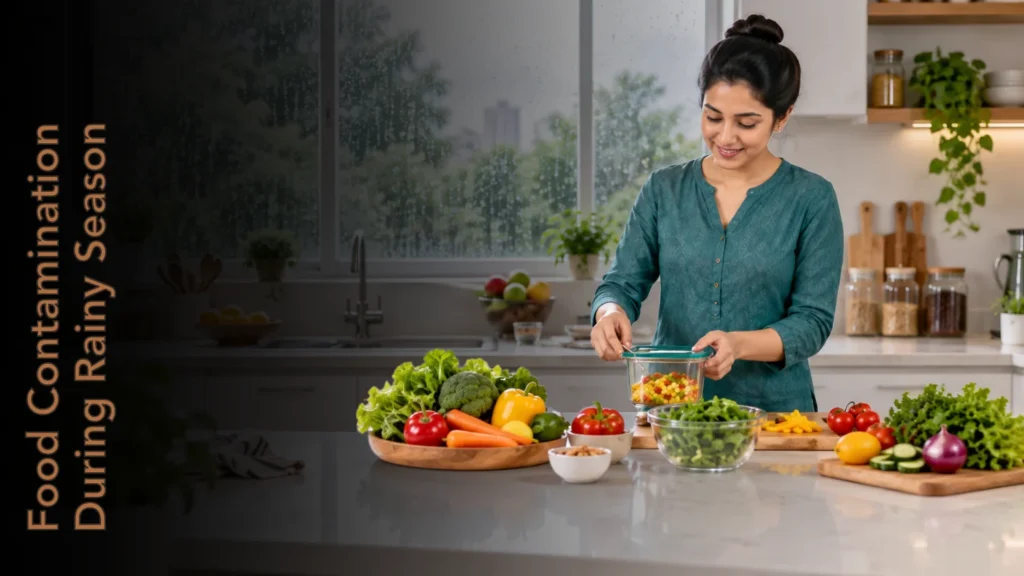
Food contamination during the rainy season increases because high humidity, moisture, and fluctuating temperatures allow bacteria, viruses, and fungi to multiply faster. Eating contaminated food or drinking unsafe water can cause food poisoning, diarrhoea, vomiting, and stomach infections. Safe food handling, proper storage, and clean drinking water help reduce the risk. (World Health Organization)
During the monsoon, warm temperatures and high humidity create ideal conditions for harmful microorganisms to grow rapidly. Food can spoil faster even if it looks or smells normal. In addition, contaminated water, poor hygiene, cross-contamination, and improper storage increase the risk of foodborne illnesses. (World Health Organization)
Dr.Brightwell Tip: During monsoon, safe food practices are just as important as maintaining overall family health. Prevention is always better than treating foodborne illnesses.
Humidity accelerates microbial growth by creating a moist environment where bacteria and mould thrive.
Common causes include:
WHO recommends keeping cooked food out of room temperature for no longer than 2 hours and refrigerating perishable food promptly. (World Health Organization)
Contaminated food or water can lead to:
Children, older adults, pregnant women, and people with weakened immunity are at higher risk. (World Health Organization)
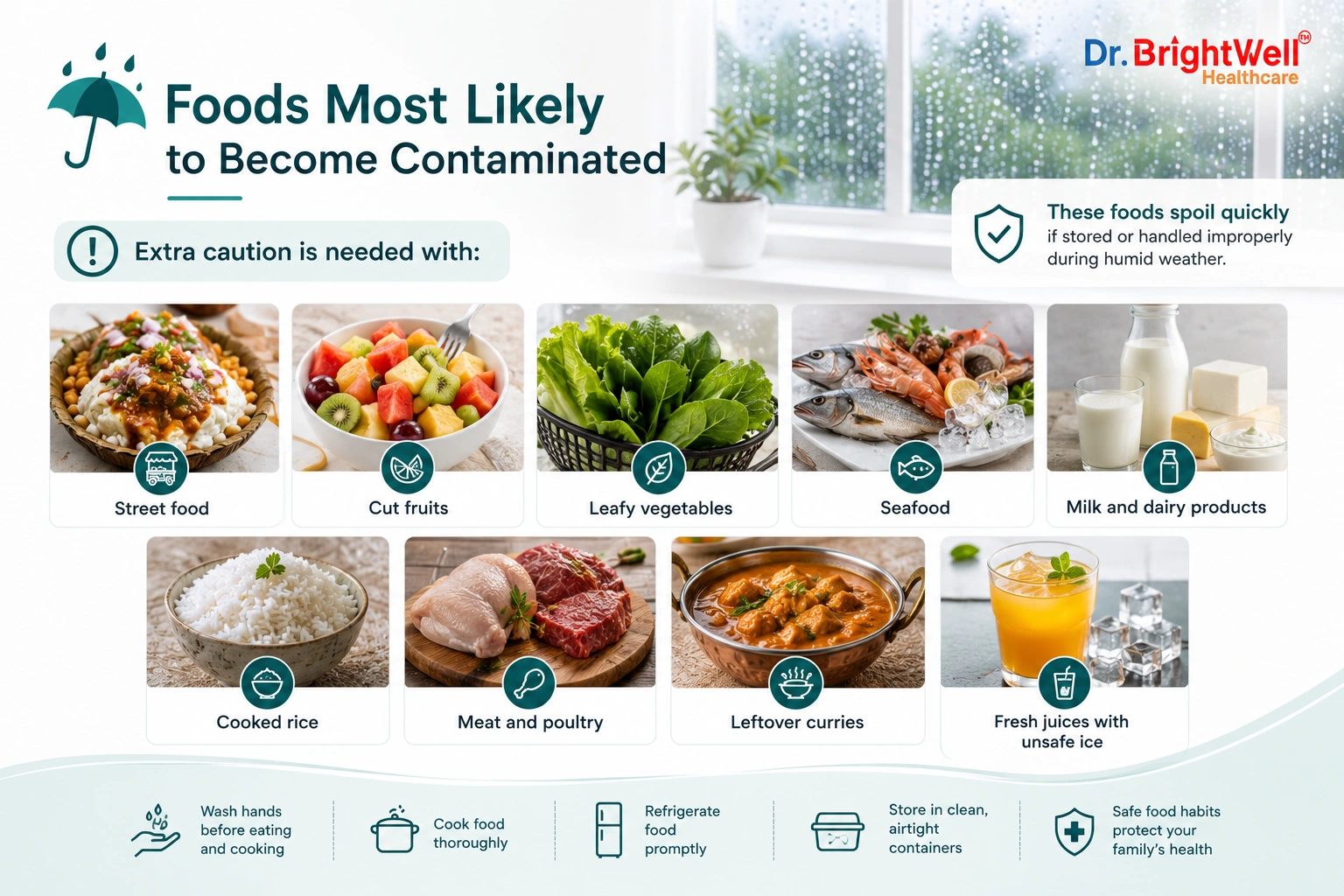 Foods Most Likely to Become Contaminated
Extra caution is needed with:
These foods spoil quickly if stored or handled improperly during humid weather. (The Times of India)
Watch for:
Symptoms may appear within a few hours or several days depending on the cause. (World Health Organization)
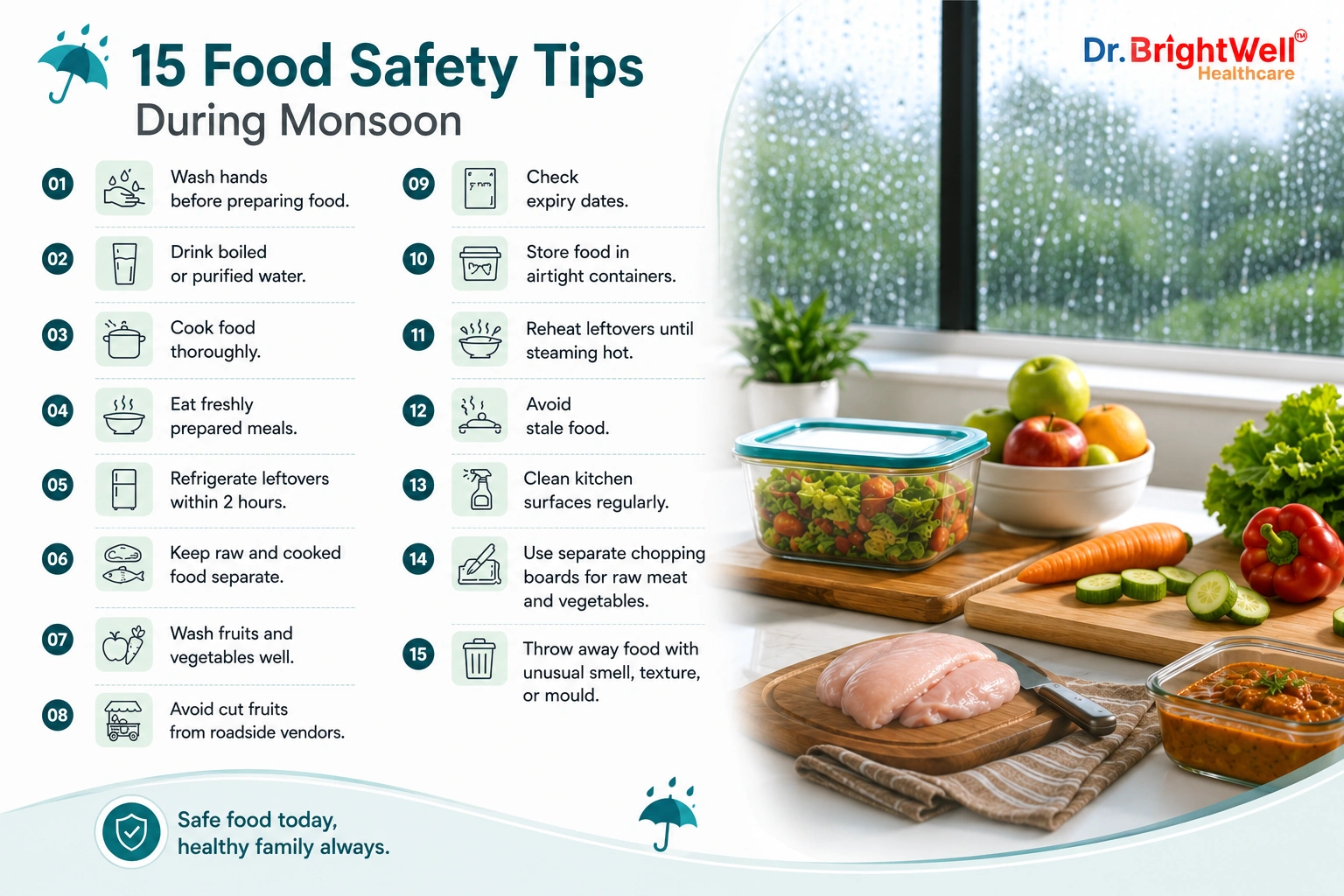 15 Food Safety Tips During Monsoon
These practices align with the WHO Five Keys to Safer Food. (World Health Organization)
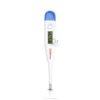
Along with safe food practices, keeping an eye on your family’s overall health during the rainy season is equally important. Monitoring temperature during seasonal infections with a reliable digital thermometer can help you respond promptly if illness develops.
Water contamination often increases after heavy rainfall.
Always:
Seek medical attention if you have:
Prompt treatment helps prevent complications. (World Health Organization)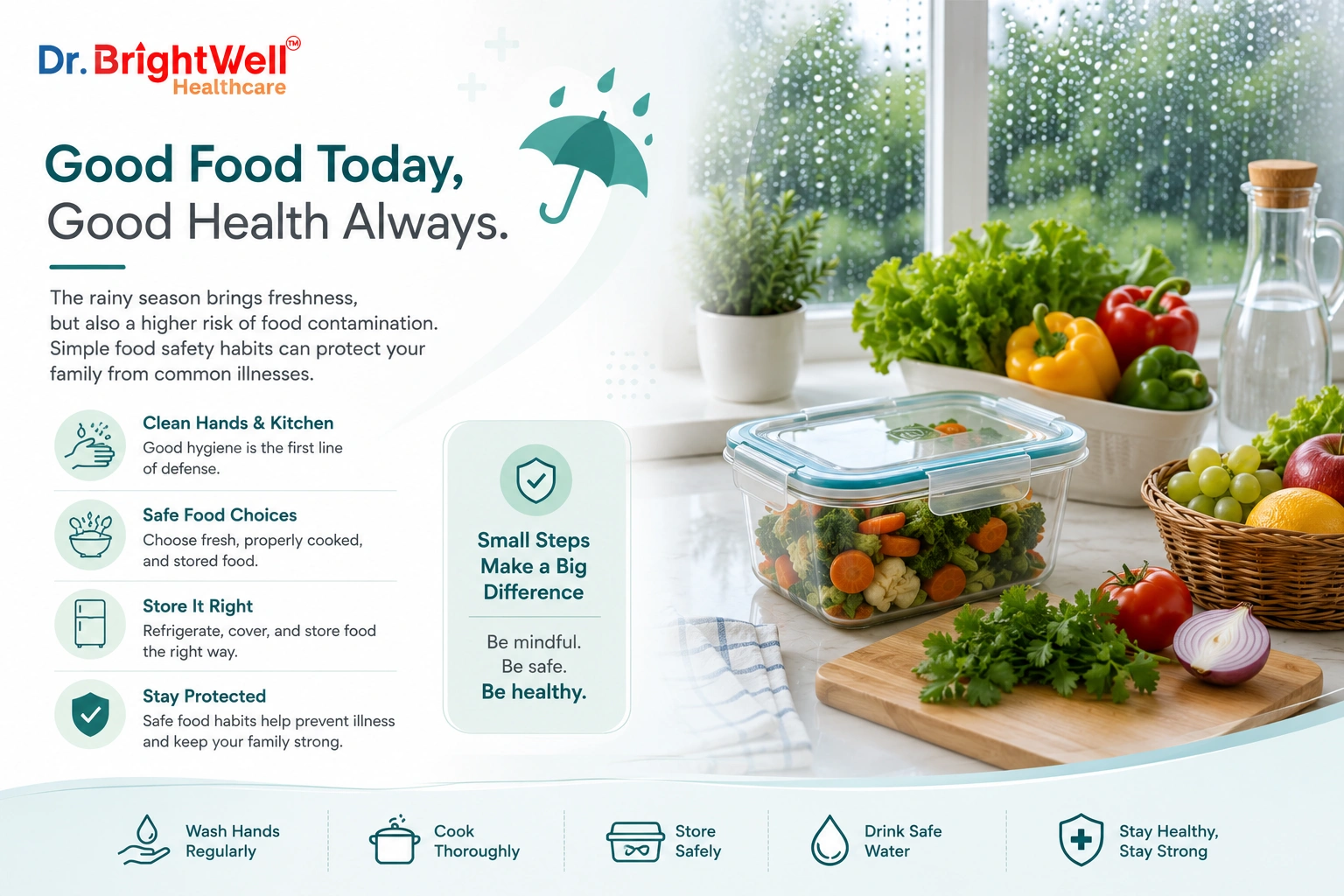
Avoid stale food, cut fruits from roadside vendors, raw seafood, undercooked meat, leafy vegetables that aren’t washed properly, and food left at room temperature for long periods. (The Times of India)
High humidity and warm temperatures allow bacteria, mould, and yeast to multiply rapidly, shortening the shelf life of many foods. (World Health Organization)
Cooked or perishable food should not remain at room temperature for more than 2 hours. Refrigerate promptly to reduce bacterial growth. (World Health Organization)
Common high-risk foods include:
Cooked rice, seafood, dairy products, meat, and cut fruits are among the fastest-spoiling foods, especially in humid weather. (The Times of India)
Freshly cooked meals, soups, steamed foods, seasonal fruits that can be peeled, and thoroughly cooked vegetables are generally safer choices than raw or leftover foods. (World Health Organization)
Warm, humid weather can cause packed lunches to spoil faster. Use insulated lunch boxes, avoid highly perishable foods, and ensure food is freshly prepared. (World Health Organization)
These measures significantly reduce the risk of infections during the monsoon. (World Health Organization)
Monsoon illnesses are often preventable with good hygiene, safe food handling, and timely attention to symptoms. At Dr.Brightwell, we believe prevention starts at home—through informed choices, healthy habits, and dependable home healthcare solutions.