No products in the cart.
No products in the cart.

Choosing a breast pump depends on how often you plan to express milk, your daily routine and the convenience you need. Manual and electric breast pumps both help mothers express and collect breast milk, but they work differently.
A manual breast pump is operated by hand, while an electric breast pump uses a motor to create suction. Understanding their differences can help you choose a pump that fits your routine and comfort. [1]
The main difference is how suction is generated. A manual pump requires hand operation, whereas an electric pump uses a powered motor.
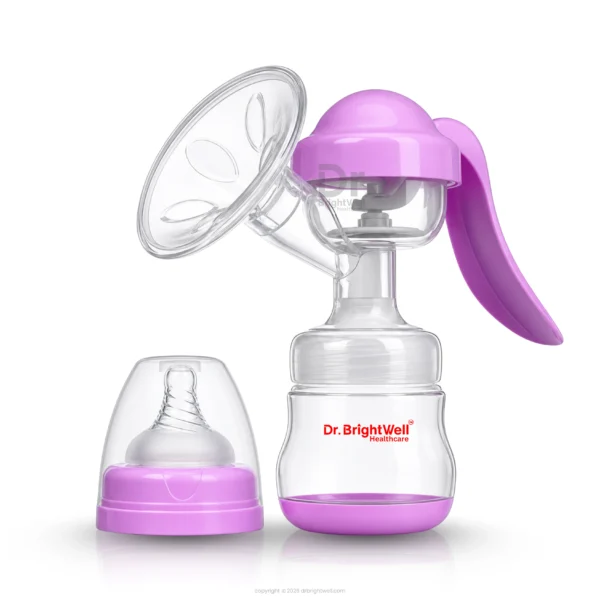
Hand-operated suction • No battery or charging required • Lightweight portability
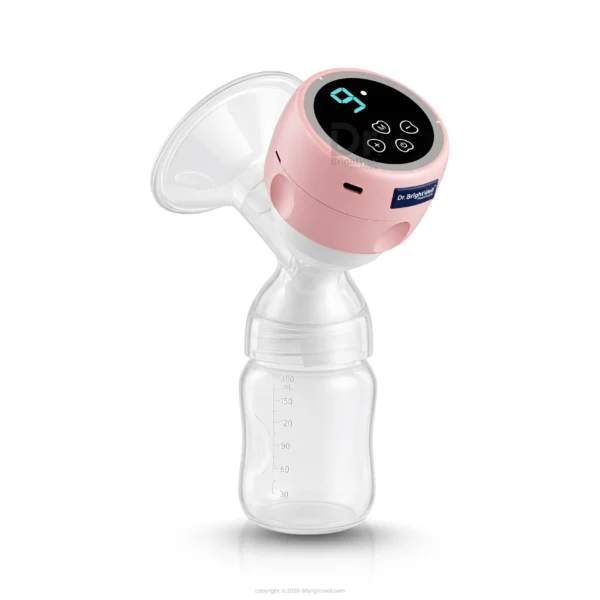
Motor-driven suction • Adjustable levels • Less repeated hand effort
| Feature | Manual Breast Pump | Electric Breast Pump |
|---|---|---|
| Operation | Hand-operated | Motor-operated |
| Suction | Controlled through manual operation | Adjustable levels on supported models |
| Hand effort | Requires repeated hand operation | Less repeated hand effort |
| Portability | Lightweight and easy to carry | Depends on battery and product design |
| Best suited for | Occasional expression or backup use | Regular expression and convenience |
| Power requirement | No electricity required | Battery or electrical power |
Manual pumps generally cost less, but may take longer to express milk than electric pumps. [1]
The right breast pump should fit your needs, not just your budget.
Consider these five things:
Should fit comfortably around the nipple
Helps find a comfortable pumping level
Consider how much hand effort you prefer
Important when pumping in different locations
Milk-contact components should be easy to remove and clean
| What to check | Why it matters |
|---|---|
| Breast shield size | Should fit comfortably around the nipple |
| Suction adjustment | Helps find a comfortable pumping level |
| Operation | Consider how much hand effort you prefer |
| Portability | Important when pumping in different locations |
| Cleaning | Milk-contact components should be easy to remove and clean |
Breast shield fit matters: The nipple should move comfortably through the funnel without rubbing, bruising or being pulled in uncomfortably. [1]
An electric pump's suction should also be increased gradually. Starting at the highest setting can cause discomfort or damage. [1]
Follow the manufacturer's instructions for assembling and using your breast pump.
Before pumping:
Wash hands and ensure clean pump parts
Center breast shield comfortably on nipple
Begin with a low suction setting
Increase gradually to a comfortable level
Express smoothly without pain or force
Pumping should not cause pain. Check the breast shield fit and suction setting if you experience discomfort. The NHS advises against starting with high suction and recommends using a suitable funnel size. [1]
Breast pump parts that come into contact with breast milk need proper cleaning after every use.
Follow these basic steps:
Separate milk-contact components
Rinse away remaining milk
Wash with dish soap & warm water
Air-dry parts on a clean surface
Store completely dry in clean place
The CDC recommends cleaning pump parts after every use. Sanitising may provide additional protection, particularly for babies younger than two months, babies born prematurely or babies with weakened immune systems. [2]
Do not immerse the electric motor or power unit in water. Follow the product's instructions for cleaning the main unit. [3]
Dr.Brightwell offers manual and electric breast pump options for different pumping routines.
Suitable for mothers looking for a powered breast pump with adjustable suction and less repeated hand effort.
A practical option for mothers who prefer a hand-operated pump for occasional expression or as a backup.
Choose based on your pumping frequency, comfort and daily routine. Always follow the instructions supplied with the selected product.
Neither is automatically better for everyone. A manual pump can suit occasional expression, while an electric pump can be more convenient for regular pumping. Your routine and comfort should guide the choice. [1]
Look for a pump that allows you to adjust suction to a comfortable level. More suction levels do not automatically mean better milk expression.
Follow the product instructions, ensure the breast shield fits properly and start with a low suction setting. Increase gradually while maintaining comfort.
Clean all parts that come into contact with breast milk after every use. Follow the manufacturer's instructions for cleaning and additional sanitising. [2]