No products in the cart.
No products in the cart.
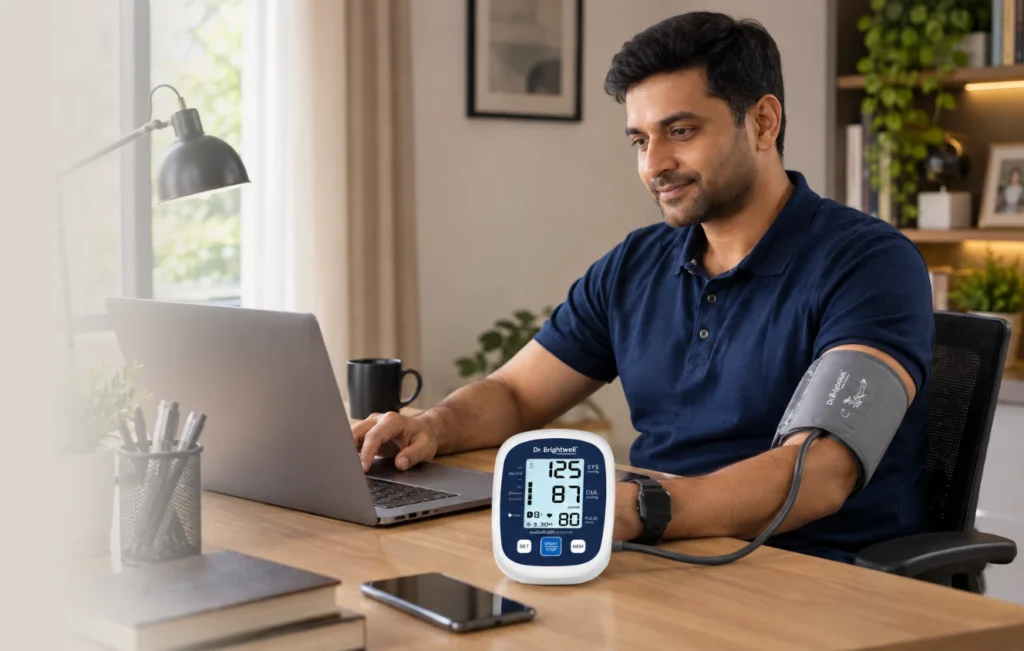
Monitoring blood pressure at home has become an essential part of preventive healthcare, especially for people living with hypertension, diabetes, heart disease, or age-related health concerns. A reliable home blood pressure monitor helps you track readings consistently, identify trends over time, and share accurate records with your healthcare provider.
However, choosing the right BP machine isn’t always straightforward. With dozens of models available in India, buyers often struggle to decide between digital and manual monitors, upper-arm and wrist devices, or basic and feature-rich models.
This guide explains everything you need to know before purchasing a BP machine for home use, helping you make an informed decision based on accuracy, comfort, ease of use, and long-term reliability.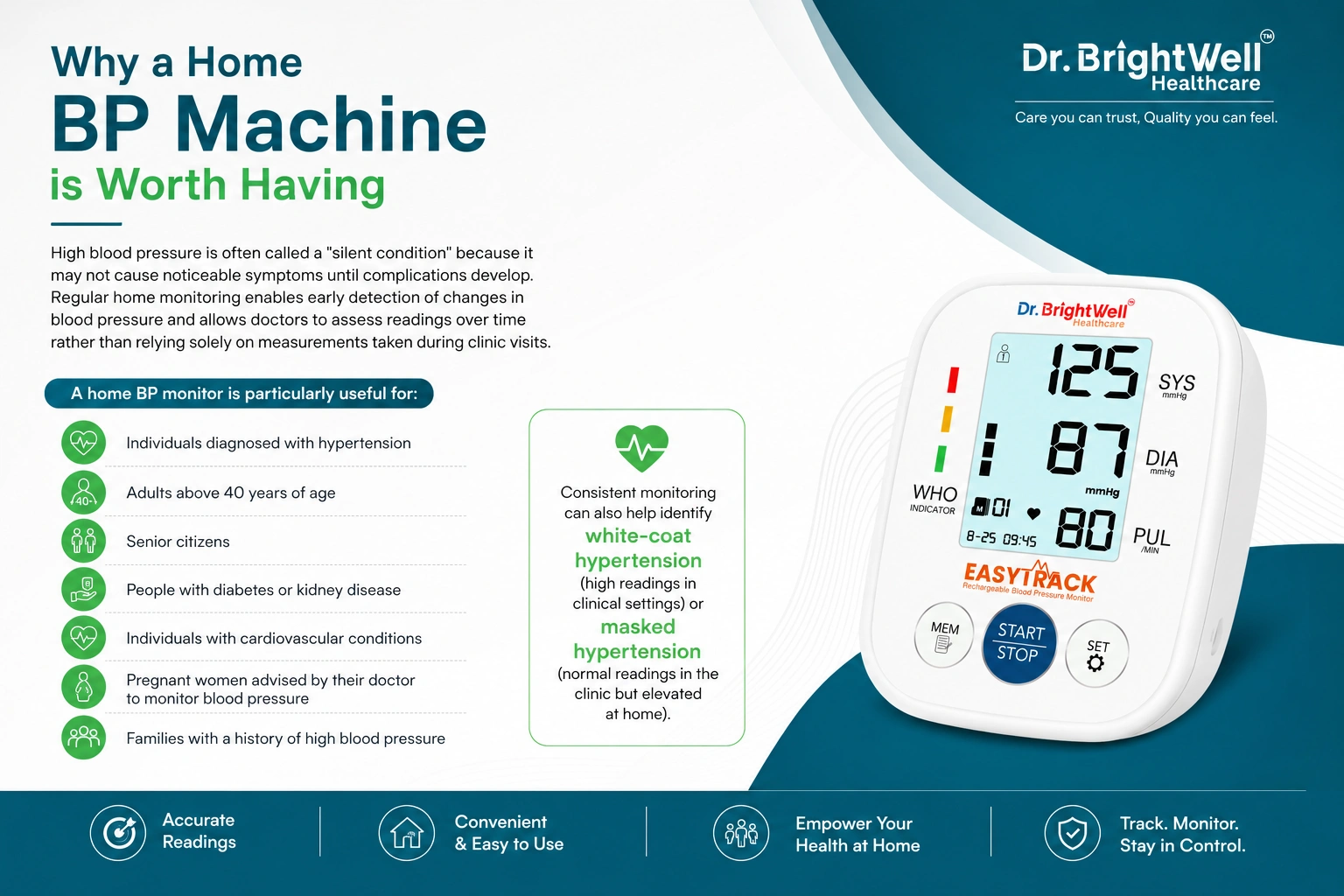
Before purchasing, it’s important to understand the main categories of blood pressure monitors.
Automatic digital monitors are the most popular choice for home use. With a single press of a button, the cuff inflates automatically and displays systolic pressure, diastolic pressure, and pulse rate on a digital screen.
Manual blood pressure monitors require a stethoscope and proper training to obtain accurate readings. They are commonly used by healthcare professionals but are generally not recommended for routine home monitoring unless the user has adequate experience.
Upper-arm monitors are widely recommended because they typically provide more consistent and reliable readings when used correctly. Most healthcare professionals suggest choosing this type for regular home monitoring.
Wrist monitors are compact and portable, making them convenient for travel. However, they require careful positioning at heart level to achieve accurate readings and may be more susceptible to incorrect measurements.
One of the most important considerations is whether the BP monitor has undergone clinical validation. Devices that have been tested according to recognised standards are generally more reliable for home monitoring.
Avoid buying products solely based on price. Accuracy should always be your first priority.
Unless your doctor recommends otherwise, an upper-arm BP monitor is usually the preferred option for home use because it provides more dependable readings than wrist monitors.
A cuff that is too small or too large can produce inaccurate blood pressure readings.
Before purchasing, check whether the cuff matches your arm circumference. Some monitors include universal cuffs, while others offer different cuff sizes for larger or smaller arms.
A large LCD screen with bold numbers makes it easier for elderly users and people with reduced vision to read their results without difficulty.
Some devices also include backlit displays and high-contrast screens for improved visibility.
Many digital BP machines can save previous readings automatically.
Memory storage allows you to:
Some models also support multiple user profiles, making them suitable for families.
A home BP monitor should simplify health monitoring, not complicate it.
Look for features such as:
These features are especially helpful for elderly users.
Several modern digital BP monitors can detect irregular heartbeat patterns during measurement.
While this feature does not diagnose heart conditions, it can alert users to unusual readings and encourage timely medical consultation.
Most BP monitors operate using AA batteries, while some also support USB charging or AC adapters.
If you measure blood pressure frequently, having multiple power options can be convenient.
Healthcare devices are long-term investments.
Choose a manufacturer that offers:
Reliable after-sales support provides additional confidence in your purchase.
Established healthcare brands often focus on quality control, user safety, and consistent product performance.
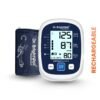
For example, digital blood pressure monitors from trusted healthcare brands like Dr.Brightwell are designed with practical features such as automatic measurement, clear digital displays, and user-friendly operation, making them suitable for routine home blood pressure monitoring.
When comparing BP machines, look for features such as:
The Dr.Brightwell Digital Blood Pressure Monitor is an example of a home healthcare device that brings these practical features together, helping users monitor their blood pressure comfortably at home.
Many buyers unintentionally choose a BP monitor that doesn’t suit their needs.
Some common mistakes include:
Taking time to compare features can help you avoid unnecessary replacements later.
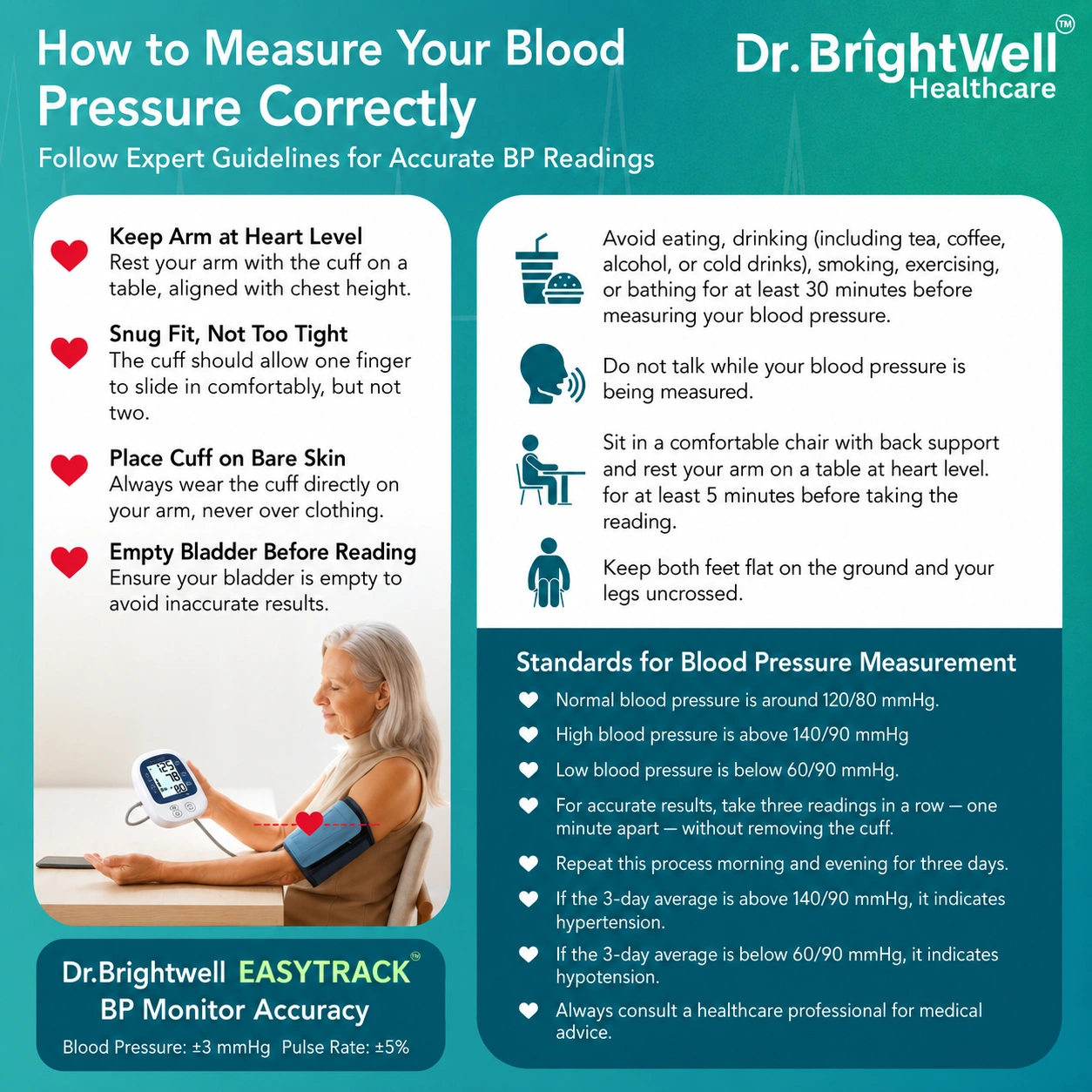
Even the best BP machine can produce inaccurate readings if used incorrectly.
For more reliable measurements:
Keeping a log of your readings can help your doctor identify patterns and make informed treatment decisions.
A home BP monitor is an excellent tool for tracking blood pressure, but it does not replace professional medical advice.
Consult your healthcare provider if:
Always seek immediate medical attention if you experience symptoms such as severe chest pain, difficulty breathing, sudden weakness, confusion, or vision changes, regardless of your BP reading.
For most households, an automatic upper-arm digital BP monitor is the preferred choice because it offers ease of use, reliable measurements, and convenient features like memory storage and pulse rate monitoring.
Quality digital BP monitors can provide accurate readings when they are clinically validated, used according to the manufacturer’s instructions, and fitted with the correct cuff size.
Upper-arm BP monitors are generally recommended for regular home monitoring due to their consistent performance. Wrist monitors are best reserved for situations where an upper-arm cuff cannot be used or when portability is the primary concern.
Yes. Many digital BP monitors support multiple user profiles and can be shared by family members, provided the cuff size is appropriate for each user.
The frequency depends on your health condition and your doctor’s advice. Some individuals may need daily monitoring, while others may only need to check their blood pressure a few times each week.
Choosing the right BP machine is not about buying the most expensive model—it’s about selecting a device that delivers consistent performance, is easy to use, and meets your family’s healthcare needs.
When comparing options, prioritise factors such as clinical validation, upper-arm measurement, correct cuff size, memory storage, ease of operation, and dependable after-sales support. Investing in a quality monitor from a trusted healthcare brand, such as Dr.Brightwell, can make home blood pressure monitoring simpler and more reliable.
Remember, regular monitoring is only one part of managing your heart health. Continue following your doctor’s advice, maintain a healthy lifestyle, and use your BP machine consistently to stay informed about your blood pressure over time.